Filter by Popular Categories
 Filter by Popular Categories
Take Root: Decolonial Action and Indigenous Food Sovereignty
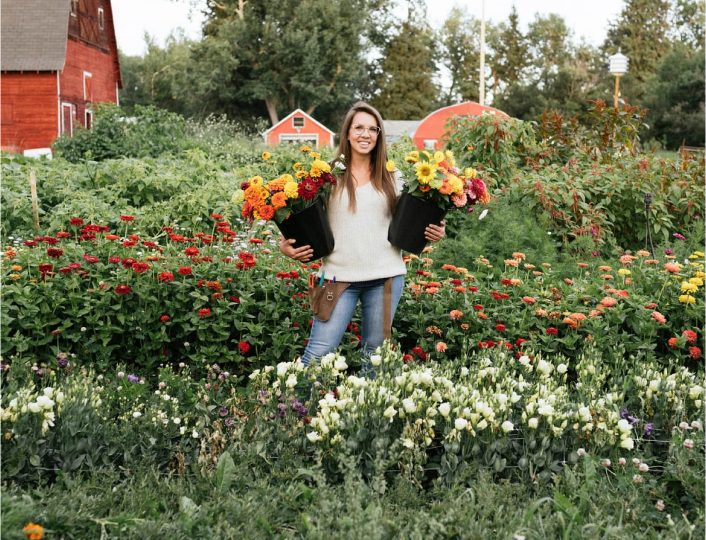
Photo by Griffy Vigneron
The Take Root program is YA’s commitment to advancing Indigenous Food Sovereignty and supporting Indigenous farmers, food producers, and communities across Turtle Island. It’s also a place for non-Indigenous farmers to learn more about Indigenous food systems, Land Back, decolonial action, and practical ways to foster respectful relationships with Indigenous peoples and lands in your own work.
- On this page
- What is the Take Root program and who is it for?
- Young Agrarians Land Acknowledgement
- Young Agrarians commitments to UNDRIP
- Positionality of Young Agrarians
- Position on Land Access and Land Back
- Indigenous Food Sovereignty Events
- What is Indigenous Food Sovereignty?
- Indigenous Food Sovereignty Leaders
- Indigenous Food Sovereignty Organizations
- Indigenous Food Sovereignty Resources
- Indigenous Food Sovereignty Blog
- Indigenous Food Sovereignty Courses
What is the program and who is it for?
Supporting Indigenous Food Sovereignty
Who is this work for?
- Indigenous peoples
- Indigenous farmers, harvesters, food producers
- Indigenous organizations
What are the goals of this work?
- Growing relationships that emerge from the needs of Indigenous communities, organizations and individuals for support related to Indigenous food systems and agriculture.
- Supporting Indigenous food sovereignty through relational work with Indigenous farmers to uplift their leadership.
- Braiding and integrating understanding of Indigenous food sovereignty internally within YA’s Grow a Farmer programming to better support Indigenous peoples seeking support through YA programming.
Decolonial Action
Who is this work for?
- Non-Indigenous settler farmers
- Anyone interested in food and relationships to the land
What are the goals of this work?
- Fostering decolonial action to take root in the farming community and bear fruit through farmers who support Indigenous food sovereignty.
- Encouraging collaboration, truth telling and reconciliation between settler farmers and Indigenous communities.
- Resourcing farmers to support land sharing in ways that allow for Indigenous peoples to practice their ways of life, land rematriation, water protection, and land stewardship that is in right relationship with the Indigenous peoples whose traditional territory the farming is carried out on.
- Working with non-Indigenous farmers and friends of farmers to understand power and positionality and how these dynamics show up in agriculture with the goal of being in good relationship with Indigenous people and the land.
Young Agrarians Land Acknowledgement
Young Agrarians acknowledges with humility and gratitude the traditional, unceded and treatied territories of the diverse Indigenous Nations where we grow food, farm, live and work. Indigenous peoples have been here since time immemorial, and Indigenous rights, title and relationships to the land continue to this day.
You can gain a deeper understanding of the Indigenous territories that you live on at Native Land.
Young Agrarians commitments to UNDRIP
Young Agrarians (YA) wholeheartedly supports UNDRIP and is committed to the ongoing work required of a settler-founded organization towards aligning YA’s goals with the declaration. Articles 24.1 and 25 are particularly relevant to YA’s work — we are committed to supporting Indigenous peoples rights to traditional medicines, health practices, and relationships with their lands. Take Root in particular is focused on shifting YA programming to recognize Indigenous knowledge, ongoing rights and relationships to land. By advancing tangible, community grounded approaches to Land Back, land access and Indigenous food sovereignty, YA intends to create change within existing agricultural systems. By equipping farmers and YA staff with decolonization tools and reconciliation training, YA upholds responsibilities to Indigenous rights and title across Canada’s agricultural landscapes.
Positionality of Young Agrarians
YA is a settler-founded and led organization. YA’s Take Root program is guided by YA’s Indigenous Food Sovereignty Lead. Through this program, YA is working to deepen new and existing relationships with Indigenous farmers, listen to where YA may offer support and solidarity, and build YA’s own competency towards offering culturally safer programming, while also understanding YA’s place and limitations in this space. YA works to support the development of respectful and reciprocal relationships between YA’s wide network of settler farmers and Indigenous farmers and food folk. In particular, YA is educating and encouraging settler farmers to deepen their understanding of their own positionality in relation to Indigenous peoples and lands.
Position on Land Access and Land Back: What it Means in a Young Agrarians Context
Western agriculture, imposed as a strategy of colonisation in Canada, has displaced Indigenous people and their own systems of agriculture since its arrival on Turtle Island (a term used by many Indigenous people for what is now known as North America). Indigenous peoples have been forcibly removed from their lands across Turtle Island and some of this land was taken and used for the purposes of agriculture. Access to the land itself was lost as well as access to cultural foods and opportunities for knowledge transfer between generations about traditional ways of harvesting and procuring foods.
Indigenous peoples were dispossessed of land to directly support the aims of western agriculture. The current agricultural landscape was built on land that was given out under the Dominion Lands Act of 1872. A critical component of this act is that if lands were not “developed” in a western agricultural sense, then they were taken back by the government. While many Indigenous people participated in this program, they were often set up for failure as their ways of engaging with land and food systems were not considered “development” by the Canadian government and in most cases the land was ultimately seized by the government.
YA acknowledges the destructive colonial history of western agriculture in Canada and YA’s own participation in this system. Working towards land back takes on many meanings. For YA, it means supporting Indigenous people in reasserting their physical presence on their traditional lands as well as being centered in making decisions about what happens on and to the land. In order for YA to provide this kind of support, YA is striving to create systemic change within the organization and the programming that YA offers.
What is Indigenous Food Sovereignty?
There is no singular definition of Indigenous food sovereignty as it takes on many meanings across different Indigenous lived experiences and contexts. What many of these definitions begin with is that Indigenous food sovereignty moves beyond food security. Food security is when all people have unencumbered access to sufficient food that meets their needs for required nutrition and maintaining a balanced, healthy lifestyle. Food sovereignty, and in particular Indigenous food sovereignty, takes this concept a step further.
Food sovereignty means having access to not just food that fills the needs of the physical body, but also foods that fulfill the spiritual and cultural needs of the mind and body. This understanding of food centres relationships with the land, as well as plants, animals and each other. It is a way of being that has been practiced by Indigenous peoples since time immemorial and is critical in building a food system where Indigenous people have the autonomy to protect, cultivate and nurture the lands, plants and animals that are culturally significant. It also means having access to foods that are grown and harvested in good relationship with each other and the land and that all beings involved are treaty justly and fairly.
Indigenous food sovereignty is also a political movement. Because this way of engaging with food and food systems has been severely impacted by colonization, it is deeply political to fight for the right to access, steward and feast on cultural foods.
Upcoming Events
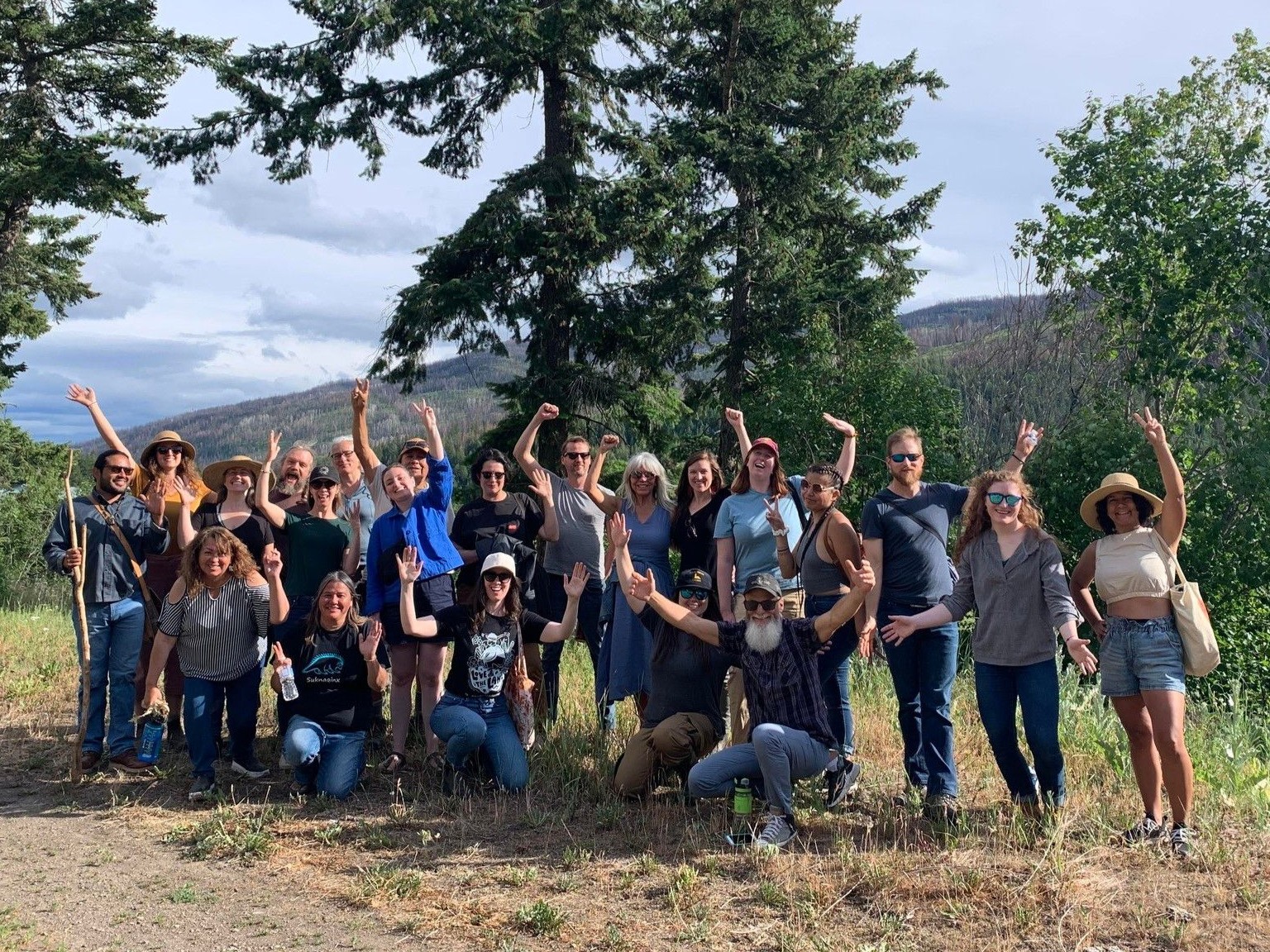
Pictured: Indigenous food sovereignty leaders Dawn Morrison and Dixon Terbasket with Young Agrarians at Sun Valley Ranch, owned by the Okanagan Indian Band.
Indigenous Food Sovereignty Leaders Across Turtle Island
Indigenous Food Sovereignty Organizations and Collaboratives
Sovereign Seeds: Sovereign Seeds is a national Indigenous-led organization dedicated to revitalizing Indigenous seed stewardship, cultural agriculture, and food sovereignty. Through education, mentorship, seed distribution, and advocacy, they support Indigenous peoples and communities in restoring and strengthening relationships with traditional food systems and seed-keeping practices.
National Circle for Indigenous Agriculture and Food: The National Circle for Indigenous Agriculture and Food (NCIAF) is an Indigenous-led organization advancing reconciliation and Indigenous participation in Canada’s agriculture and food sectors. NCIAF supports Indigenous food sovereignty, business development, education, and capacity building while fostering collaboration between Indigenous communities, governments, and industry partners.
Treaty Land Sharing Network: The Treaty Land Sharing Network works to honor Treaty relationships by connecting Indigenous land users with farmers and other landholders willing to share access to land. Through education, relationship building, and land sharing initiatives, the network supports Indigenous peoples’ ability to practice harvesting, ceremony, and other land-based activities on privately held land that land holders share.
Working Group on Indigenous Food Sovereignty: The Working Group on Indigenous Food Sovereignty is an Indigenous-led collective that advances Indigenous food sovereignty through academic research, education, advocacy, and community engagement. The group supports Indigenous-led approaches to food systems, land stewardship, and cultural resurgence while creating spaces for knowledge sharing and collaboration.
ē kanātahk askiy SAGE Project: The ē kanātahk askiy (“all over the land”) SAGE Project is a community-engaged research initiative based at the University of Saskatchewan that explores Indigenous food systems, health, and environmental sustainability. The project brings together Indigenous communities, researchers, and knowledge holders to support land-based learning and food sovereignty. It is rooted in understanding the intersections of Indigenous knowledge and western scientific understandings of soil, agroecology, and agriculture
International Buffalo Relations Institute: The International Buffalo Relations Institute is an Indigenous-led organization dedicated to restoring relationships between buffalo, people, and the land. Through education, research, cultural revitalization, and buffalo restoration initiatives, the institute supports Indigenous food sovereignty, ecological stewardship, and the renewal of buffalo-centered lifeways.
Indigenous Climate Action: Indigenous Climate Action (ICA) is an Indigenous-led organization guided by a diverse group of Indigenous knowledge keepers, water protectors and land defenders from communities and regions across the country. We believe that Indigenous Peoples’ rights and knowledge systems are critical to developing solutions to the climate crisis and achieving climate justice.
Indigenous Food Sovereignty Resources
Indigenous Agriculture and Agri-Food: The Path Forward (Full-length Report): Report by Farm Management Canada. “This report explores those needs across agricultural production, including aquaculture, Indigenous traditional and cultural harvesting, as well as those with on-farm processing and other related agriculture and agri-food activities.”
Indigenous Writes: A Guide to First Nations, Métis & Inuit Issues in Canada by Chelsea Vowel (Book)
Lost Harvests by Sarah Carter (Book)
Audrey Logan – Indigenous Agriculture on the Prairies Before the Fur Trade (Video Recording): Teachings by elder Audrey Logan (Dehydration Nations) on Indigenous agriculture, its history, and building community through food. The original recording was part of the education offered to participants in the Young Agrarians Apprenticeship Program.
Miyo Mâmawi Atoskewin: Working together to Cultivate Soil Health on First Nations Lands (Video Recording): First Nations hold millions of acres of agricultural lands across the Canadian Prairies, most of it farmed by non-Indigenous farmers. In collaboration with First Nations, Dr. Melissa Arcand is investigating soil health on agricultural lands and reframing notions of agricultural land capability from an Indigenous perspective.
Indigenous Traditional Food Systems (Online Module): Learn from Elders and Indigenous communities across Alberta. In this free online module, you will find out the importance of returning to a Traditional Food System, how communities are returning to it, and what role you can play in supporting Traditional Food Systems.
Dehydration Nations – Winnipeg, MB – Treaty 1 Territory” “This project is a grassroots, indigenous-led initiative which hopes to empower individuals and communities to harness the traditional method of food dehydration and pair it with nation-to-nation trade as a way of promoting food sovereignty in Treaty 1 territory and beyond.” They also have a Facebook Group which you can join here.
Fourth Sister Farm, Groundbirch, BC: Ethical farming and wild harvesting on 160 acres of northern paradise. Run by Tiffany Traverse, their focus is to connect with other seed and land stewards, and encourage community members to strive for stronger food security without extraction.
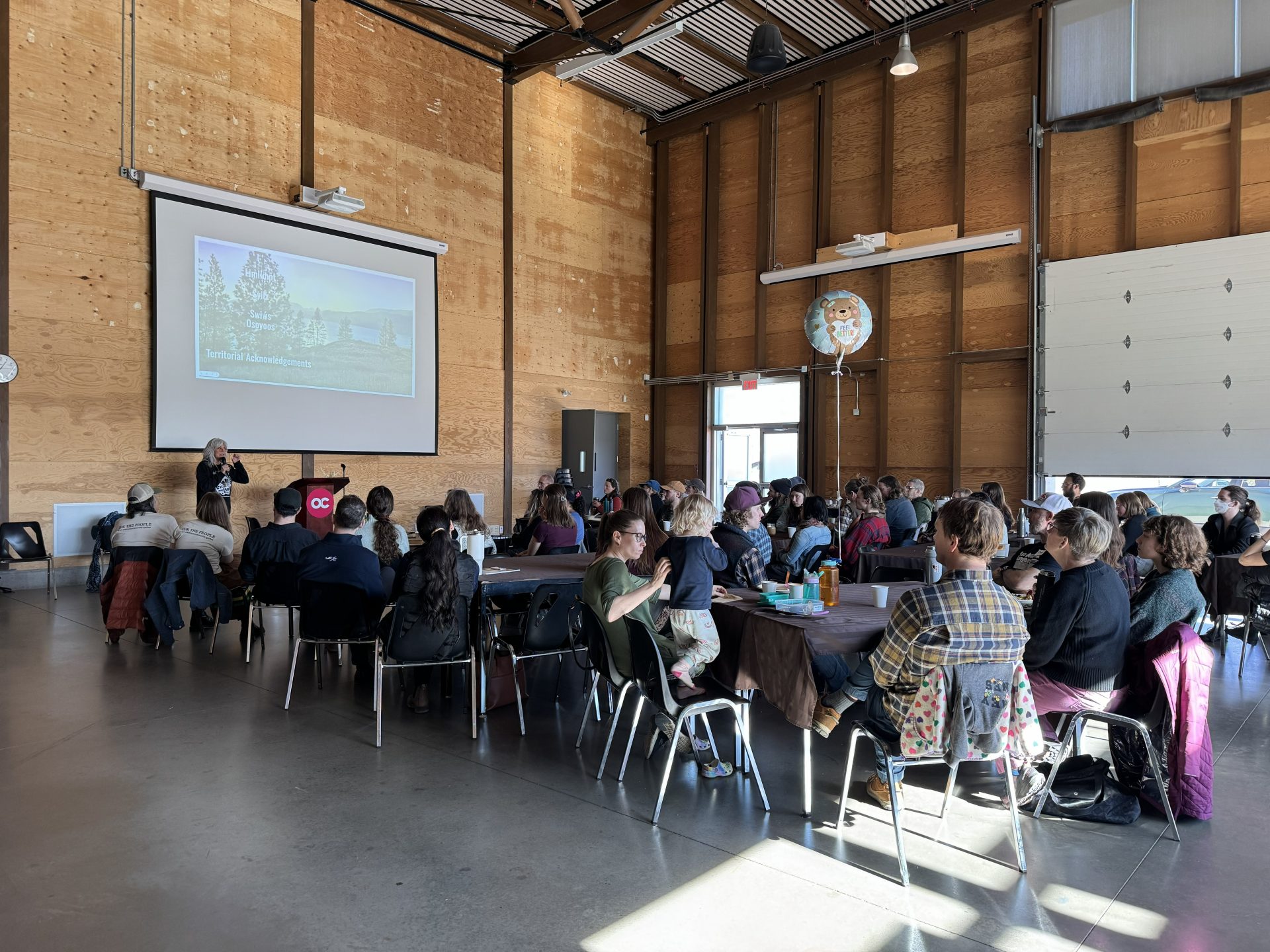
Pictured: Dawn Morrison leading a talk and workshop on understanding positionality at the Young Agrarians 2026 BC Mixer.
INDIGENOUS FOOD SOVEREIGNTY ON THE BLOG
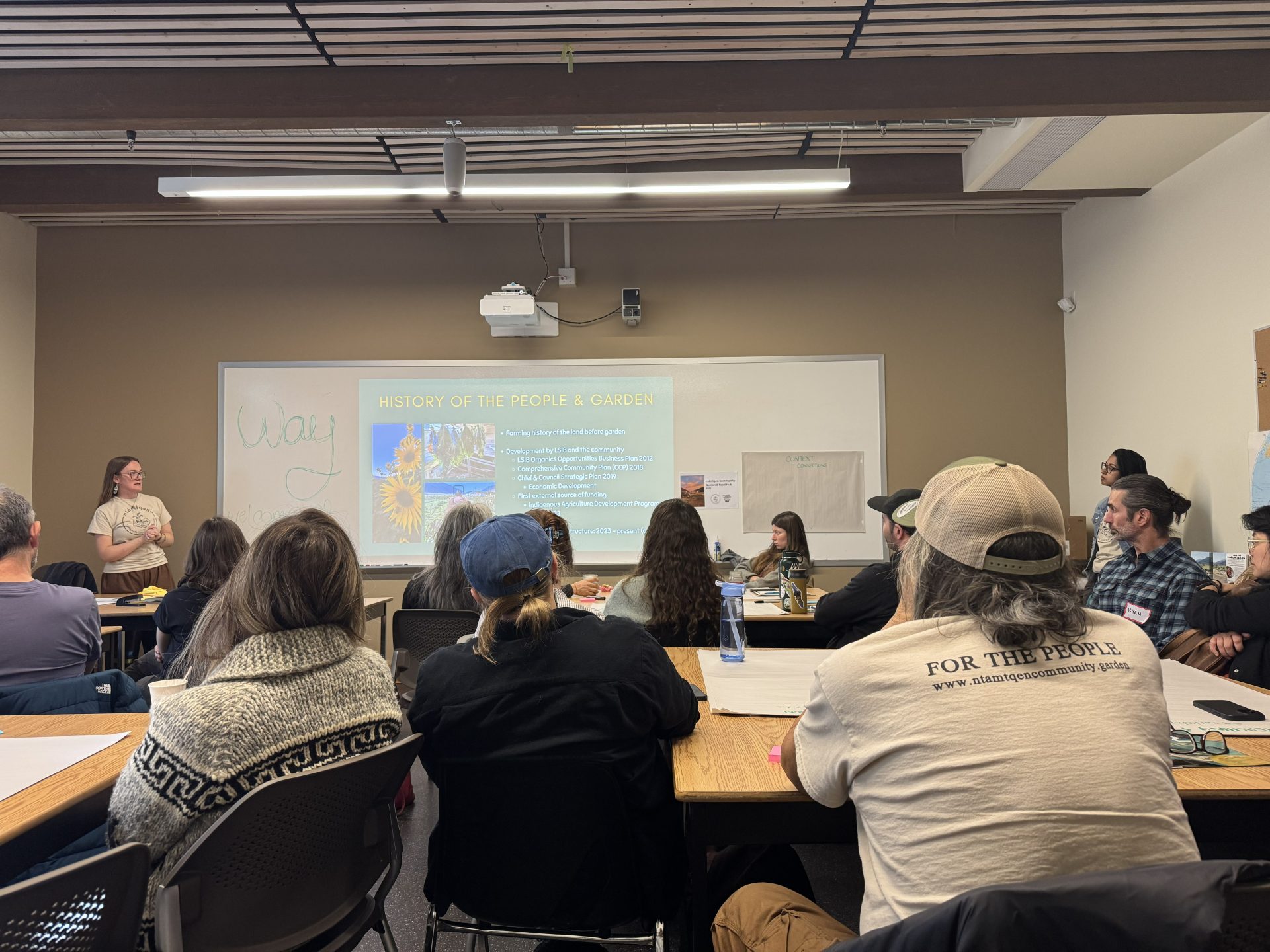
Pictured: “Mapping Opportunities: What’s Going on in Food Security and Sovereignty?” presentation given by Ntamtqen Community Garden and Food Hub at Young Agrarians 2026 BC Mixer. Dixon Terbasket seated right, Hannah Field presenting.
CONTACT US
INDIGENOUS FOOD SOVEREIGNTY COURSES