Business Mentorship Network – Not Too Shabby Homestead
Posted on April 10, 2026

Posted on April 10, 2026
“There was always a desire to help others connect with their own health and understand how our food system impacts physical, mental, and social health. This desire on a smaller scale became a reality when Janine and Brennan met, and with both visions aligning, there was a natural progression from a backyard garden and laying hens, to a 10-acre property that added goats and pigs, to then purchasing the current 80-acre property that allowed for the ‘big picture’ to fall into place.“
Young Agrarians is celebrating the twelfth year of the Business Mentorship Network (BMN) program in BC and the fourth year of the BMN in the Prairies! The BMN offers a year-long farm business mentorship to a diverse array of new and young farmers. Through one-on-one mentorship, peer networks, and online workshops, new farmers develop the skills necessary to operate ecologically sustainable and financially viable farm businesses.
Applications for mentees across Canada open in Fall 2026. Click below to be notified when applications open!
Mentor applications are accepted year-round. Check out the Business Mentorship Network page for more information!
Meet a mentee from the current cohort and learn about their farm and why they joined the Business Mentorship Network. Want more? Head over to our BMN Blog for more mentorship stories.
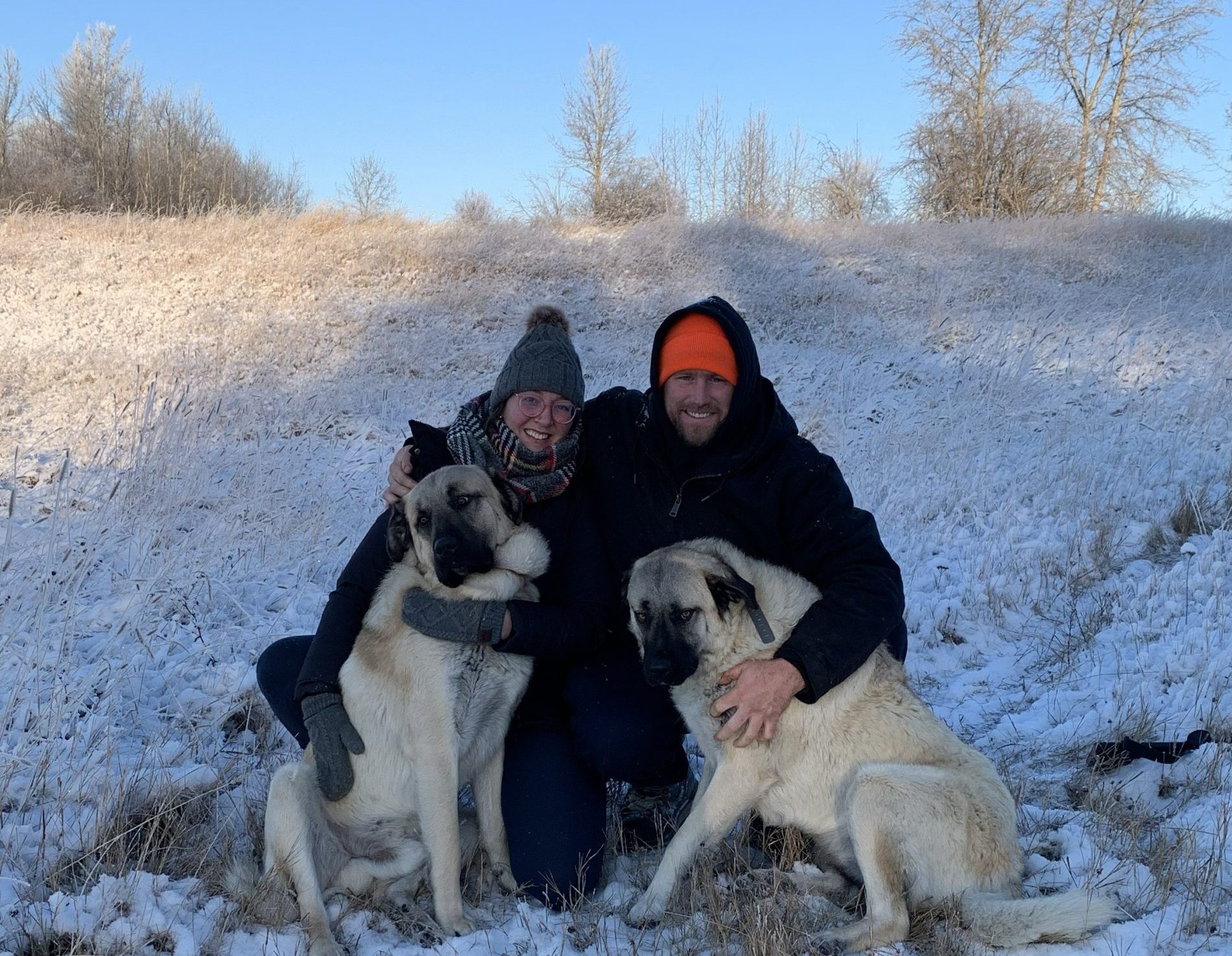
The faces behind Not Too Shabby Homestead are Janine Steyn (she/her) and Brennan Cummings (he/him) and we have had the absolute pleasure of being mentored through the YA Mentorship program by John Mills of Eagle Creek Farm.
Where do you farm?
Not Too Shabby is an 80-acre farm located just outside of Evansburg, Alberta, Treaty 6 Territory, approximately one hour west of Edmonton.
What type of business structure is your farm?
Our farm is a partnership between Janine and Brennan.
How much land is under production on your farm and what do you produce?
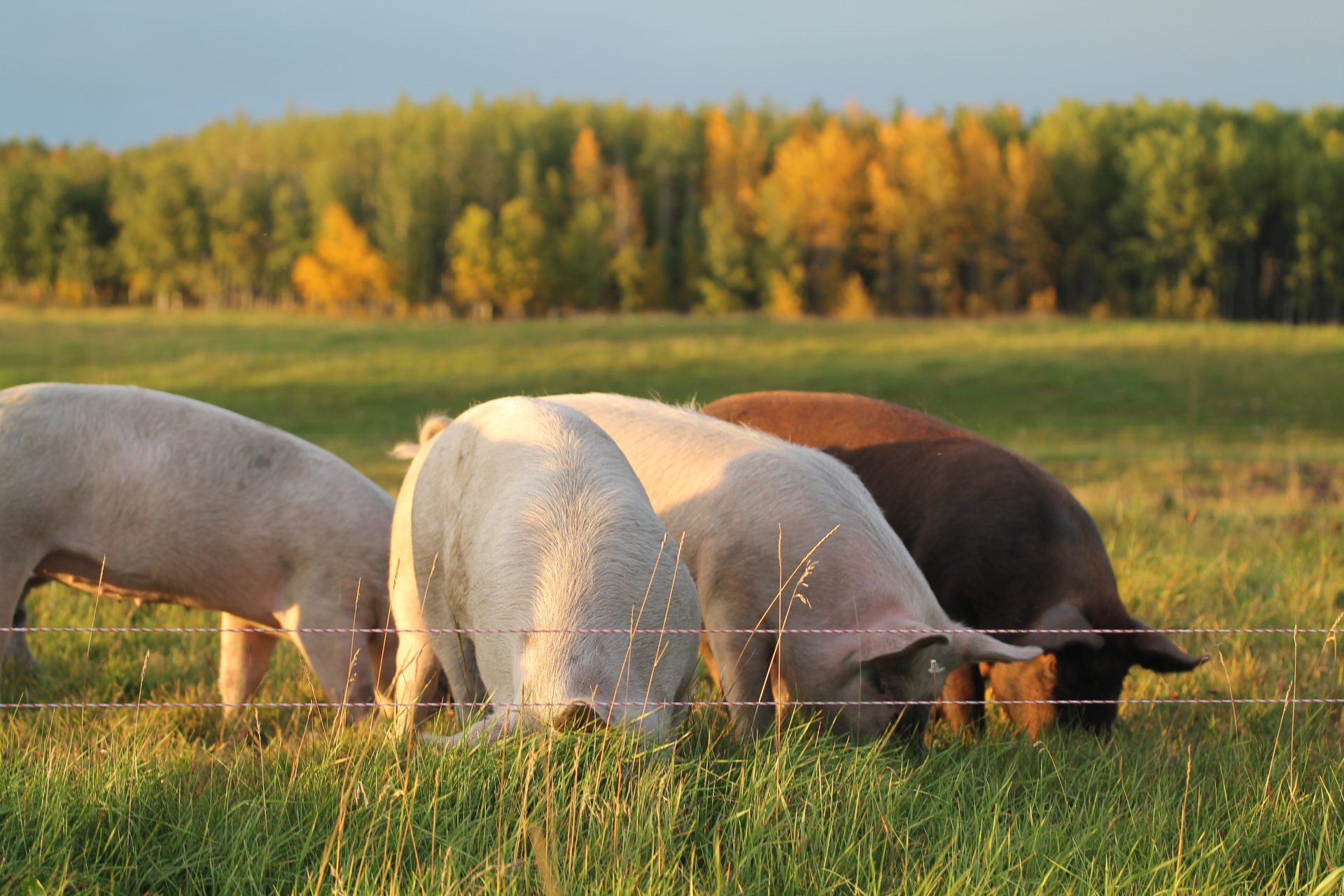
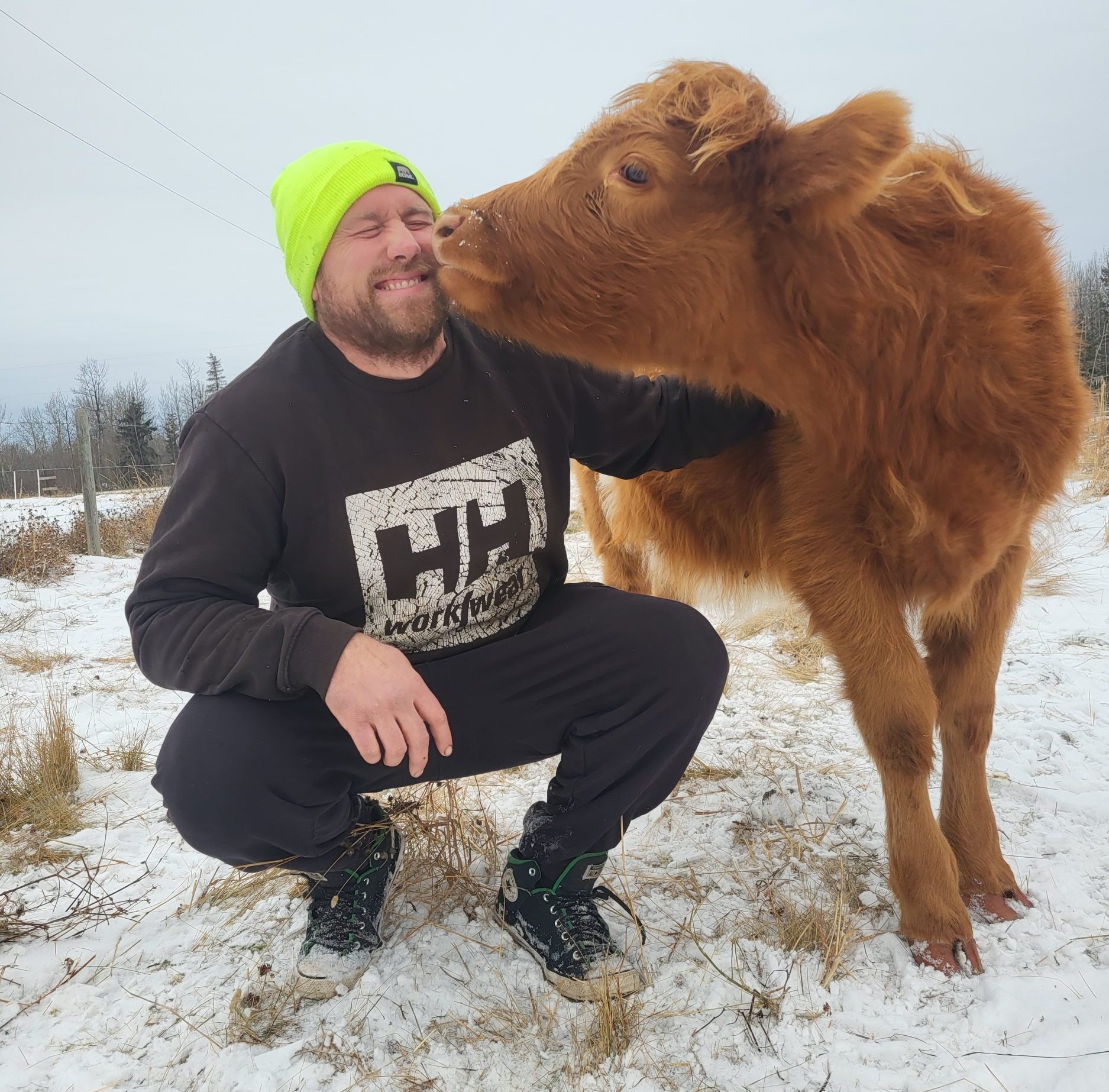
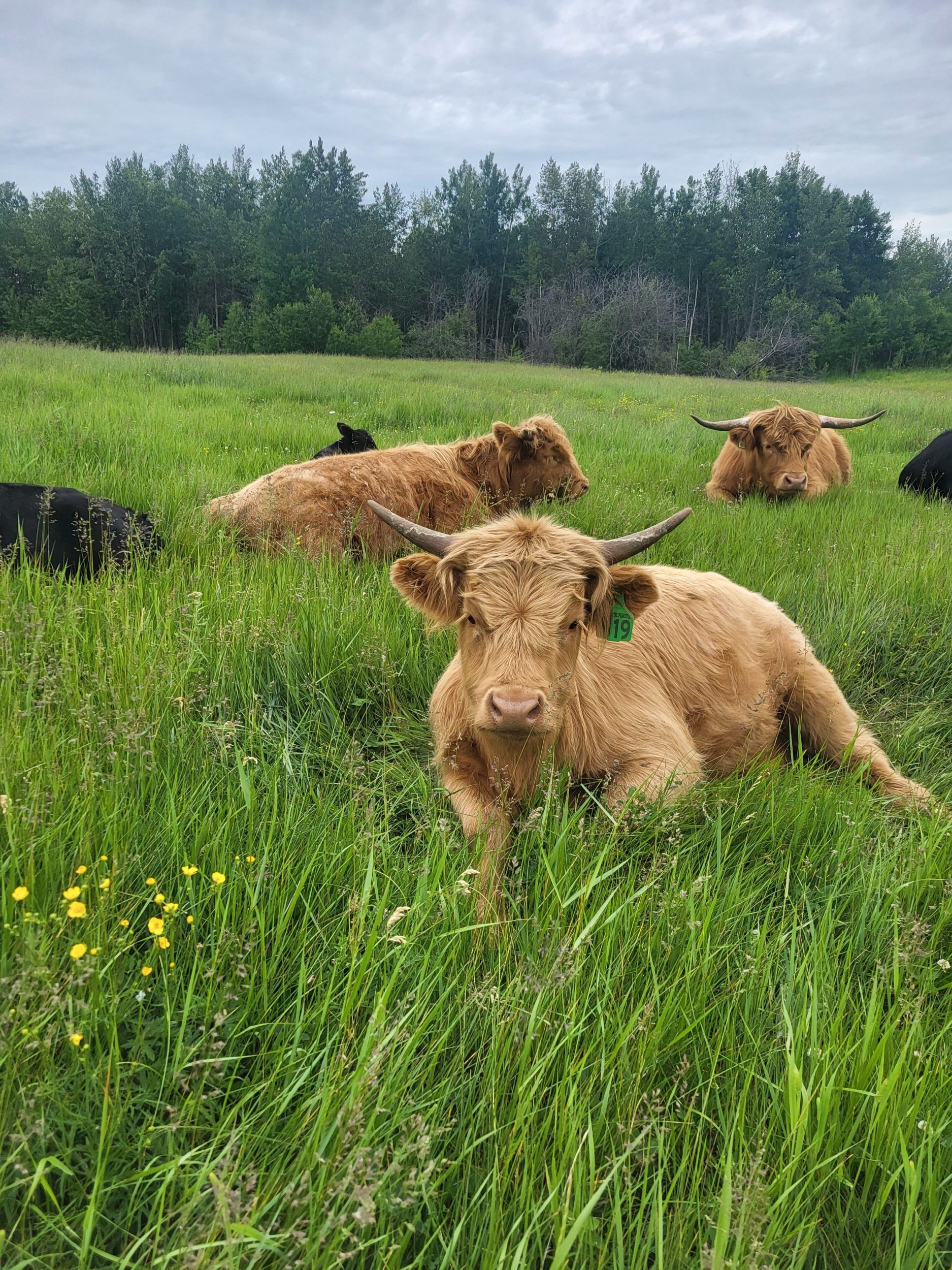
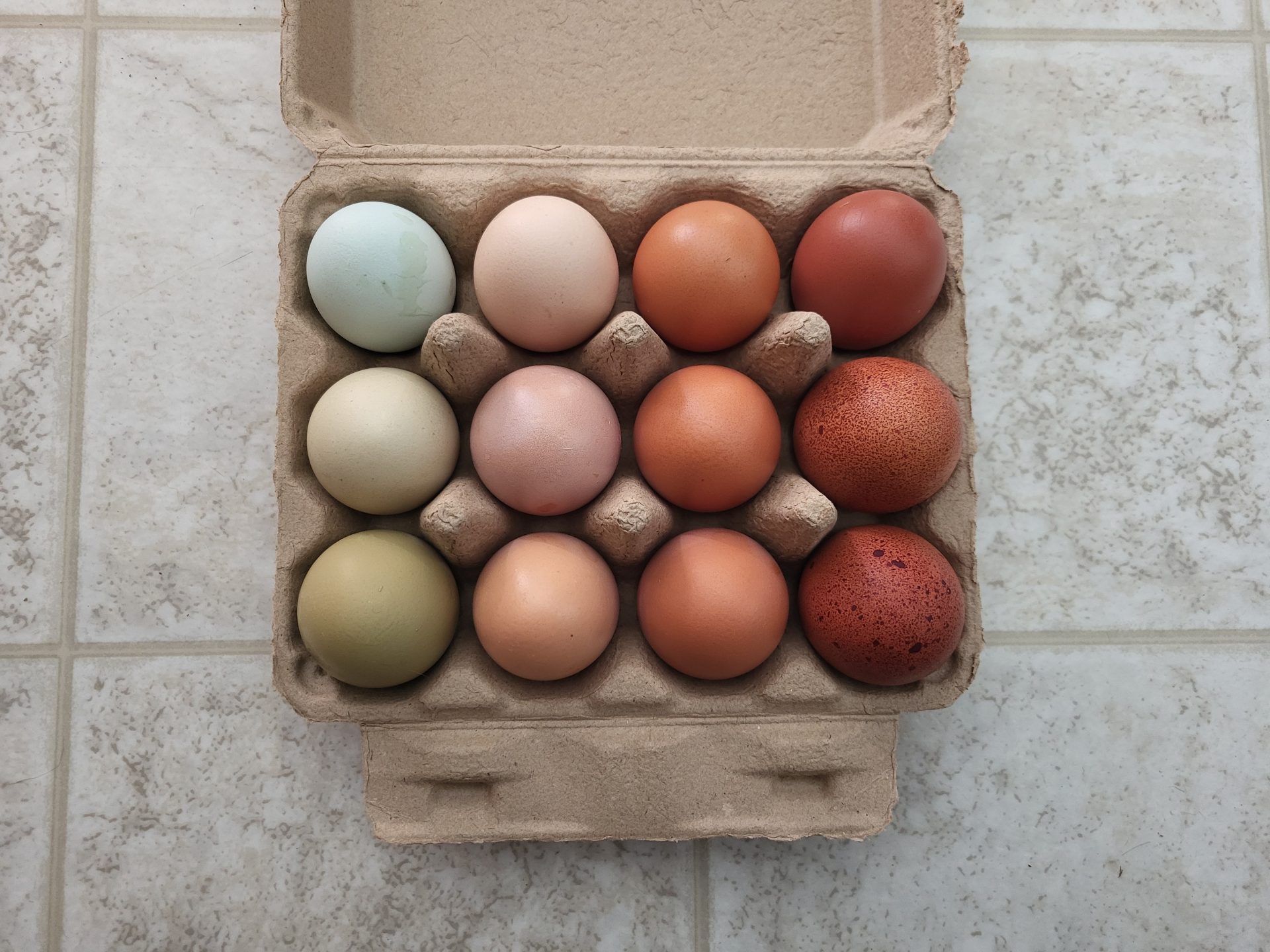
The farm is 80 acres of mixed pasture and woodland. The majority of the farm is used for grazing heritage cows, who thrive on mixed woodlands and native grasses. Within the grazing areas, goats help manage weeds, thistles, and brambles, and pastured pigs help fertilize and prep the soil for cover crops to be sown, increasing the fertility and biological diversity of the previously overgrazed pasture. Lastly, our pastured laying hens and meat birds follow the cows, helping to spread their manure as fertilizer and manage fly and bug populations.
The front block of our property, approximately 3 acres, is dedicated to our market garden. Currently, about ½ acre is made into no-dig garden beds for vegetables, and young fruit trees and berry bushes were planted in 2025 for future pears, apples, plums, raspberries, strawberries, and more! We hope to expand additional areas to provide u-pick experiences and allow the community to connect with their food through workshops, a farm store, and farm-to-table experiences. Oh, and how could I forget the best part? The market garden is managed by “pest control”, our small flock of ducks that make sure no slug or aphid goes unchecked.
In addition to all the edible items, we make sure nothing goes to waste! Additional products, such as soaps and skin products, are made using milk from our goats and rendered lard and tallow from our beef and pigs.

What kind of land agreement do you have? Are there special relationships that enabled this?
The farm is owned by us, which was made possible by support from our family (who certainly enjoy the benefits of waking up to see the cows wandering around in the field and having breakfast with farm-fresh eggs and bacon)!
Did you access any financing to buy land or start your farm business? Please share your start-up/financing story.
The current farm is owned by Janine and Brennan, with support from family (who certainly enjoy the benefits of the land!). Thankfully, the farm was able to be purchased using a traditional home mortgage, due to the zoning (country residential), and once we were settled into our home, the vision for a future farm business that could feed our community started brewing. In addition, both of us work off-farm to supplement income to make the large initial investments required for farming.
What inspired you to get into farming? Would your younger self be surprised by where you are now?
Neither Janine nor Brennan had any farming experience before diving in headfirst. Both of us have always had a desire to have land and be more self-sufficient. Earlier in life, Janine completed a diploma in natural nutrition and developed a passion for holistic health, sustainability, and food security. There was always a desire to help others connect with their own health and understand how our food system impacts physical, mental, and social health. This desire on a smaller scale became a reality when Janine and Brennan met, and with both visions aligning, there was a natural progression from a backyard garden and laying hens, to a 10-acre property that added goats and pigs, to then purchasing the current 80-acre property that allowed for the “big picture” to fall into place.
How did you learn how to farm?
By failing, failing again, and failing some more! Everyone told us to add things to our farm one at a time and to avoid overwhelming ourselves by trying to do “everything”. Well, we definitely did not heed that advice, and we are sure glad we didn’t! You don’t know what fits for you, your values, and your goals until you try it! It is constant, but there is nothing else we would rather be doing! We have so much more “failing” to do for us in the future. But in everything that goes wrong, we find the right pieces that fit for our system! My favourite quote is that if you aren’t failing, it means you aren’t trying anything new, and we definitely live by that!

What types of ecological farm practices and/or responses to climate change realities do you engage in?
We strive to ensure every part of the farm contributes to building better soil and increasing biodiversity. Regenerative agriculture is based on the principle that farming should not only strive to “do no harm” but also contribute to positive changes in the soil, climate, animals, and community. The market garden is no-till, which ensures that the soil microbiology remains undisturbed and helps improve soil structure and increase water retention (something we need in our drier climate). It also helps to build topsoil and add organic matter into the soil, while also growing nutrient-rich and healthy food!
Why did you apply for business mentorship? What are your primary business goals for the season?
Both of us are what I would consider “dreamers”. We have so many ideas and goals for the future, but we just needed help navigating the “how” of it all. Having a mentor to ask questions, keep us accountable, and motivate us to follow through on the steps needed to achieve the bigger picture has been integral to our preparation for the upcoming season, which will be our first larger-scale market garden season. Our primary goals for this season are to attend a local farmers’ market to increase community visibility and to set up additional infrastructure, such as greenhouses and irrigation systems, to extend our season and scale the market garden.
What is the greatest challenge you face as a new farmer?
Something that we have learned is how difficult it is for new farmers to start from scratch. We can understand why so many farms are passed down through generations. The initial investments required for farming can add up quickly, especially for livestock. In addition, time is something you can’t make more of, and since we both work off the farm, it has been a labour of love to continue growing the farm rather than staying at a “hobby farm” size. The hope is that one day we can grow the farm to the point where we can be home on the farm full-time.

What business tools or resources could you not live without?
The very first thing I would suggest to anyone trying to grow a market garden is to run, not walk, to buy “The Market Gardener” by Jean-Martin Fortier. This book is such a fantastic starting point for anyone overwhelmed by the idea of succession planting, trying to figure out how much of a certain crop to grow, estimating yield, estimating income, etc. The Market Gardener also has a fantastic podcast. Other podcasts I listen to in rotation are “Growing for Market” and “The Dirt on Flowers.” I’m hoping one day I will also add QuickBooks as a “must-have” tool, but as of this moment, we still aren’t friends.
How can we find out more about you, your farm, and its products?
Our website is www.nottooshabby.ca and you can find us on Instagram @nottooshabbyab and Facebook at Not Too Shabby Homestead. We also have a self-serve farm stand that is open during the growing season on Friday/Saturday/Sunday at our physical location, 54503 Hwy 22 (approximately 10 minutes north of Evansburg, Alberta, along Hwy 22). We will also be at the Evansburg Farmer’s Market on Saturdays from 10 am-2 pm.