
Business Business Mentorship Network Canada Farmer Profiles Greenhouse New Brunswick Nursery Vegetable
Business Mentorship Network – Home Acres Farm
Posted on March 9, 2026

 Filter by Popular Categories
Posted on March 9, 2026
“I initially did not want to ask our community for help, since I knew many people were financially struggling in today’s economy. But we were BLOWN away by our community’s support. Everyone was so kind and generous, and genuinely wanted our farm’s fundraiser to succeed.”
Young Agrarians is celebrating the twelfth year of the Business Mentorship Network (BMN) program in BC and the fourth year of the BMN in the Prairies! The BMN offers a year-long farm business mentorship to a diverse array of new and young farmers. Through one-on-one mentorship, peer networks, and online workshops, new farmers develop the skills necessary to operate ecologically sustainable and financially viable farm businesses.
Applications for mentees across Canada open in Fall 2026. Click below to be notified when applications open!
Mentor applications are accepted year-round. Check out the Business Mentorship Network page for more information!
Meet a mentee from the current cohort and learn about their farm and why they joined the Business Mentorship Network. Want more? Head over to our BMN Blog for more mentorship stories.
We’re Sara Kivioja (she/her) and Stephen Donald (he/him) from Home Acres Farm. Our farm mentor is Tim Livingstone from Strawberry Hill Farm.
Where do you farm?
We farm on the traditional unceded territory of the Wolastoqey, Mi’gmaw, and Peskotomuhkati peoples also known as Burntland Brook, New Brunswick.
What type of business structure is your farm?
Our farm is a corporation.
How much land is under production on your farm and what do you produce?
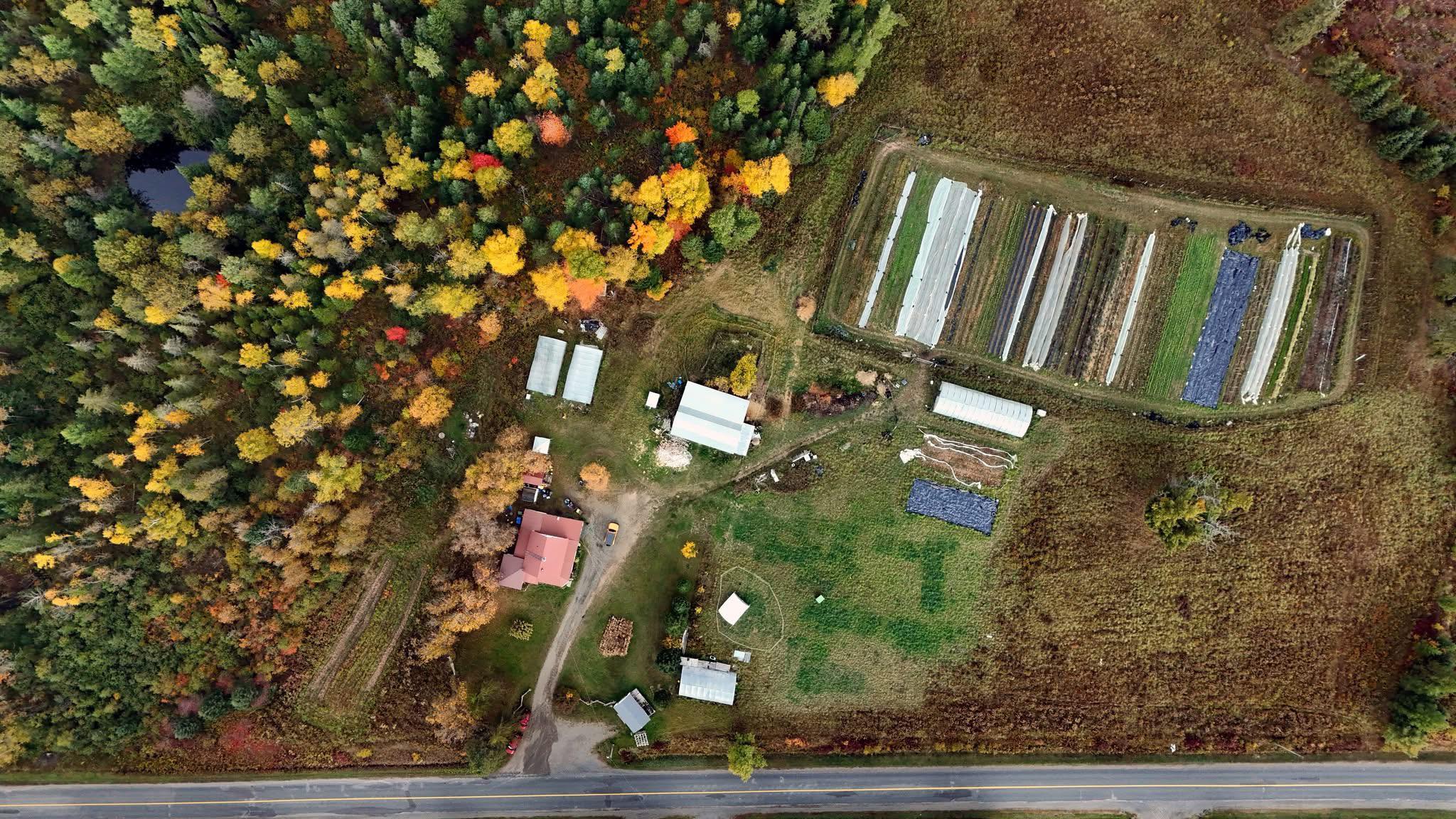
Our farm sits on 7 acres of land, but we farm intensively on one acre. We also have 132′ of unheated high tunnels, a 36′ nursery, a seven-day-a-week self-serve farm stand and we are at the beginning stages of our educational food forest. We primarily produce mixed vegetables along with melons, a small amount of cut flowers for integrated pest management and bouquets, and sell a small variety of plant starts. Thanks to the mentorship program, we will expand our nursery to sell annuals and perennials for early-season cash flow on the farm. We also pasture raise broilers for our family and fertilizer for our crops. We offer a small CSA, attend several local markets, and have opened an online farm store with delivery this season.
What kind of land agreement do you have? Are there special relationships that enabled this?
We own the land we farm.
Did you access any financing to buy land or start your farm business? What inspired you to get into farming? Would your younger self be surprised by where you are now?
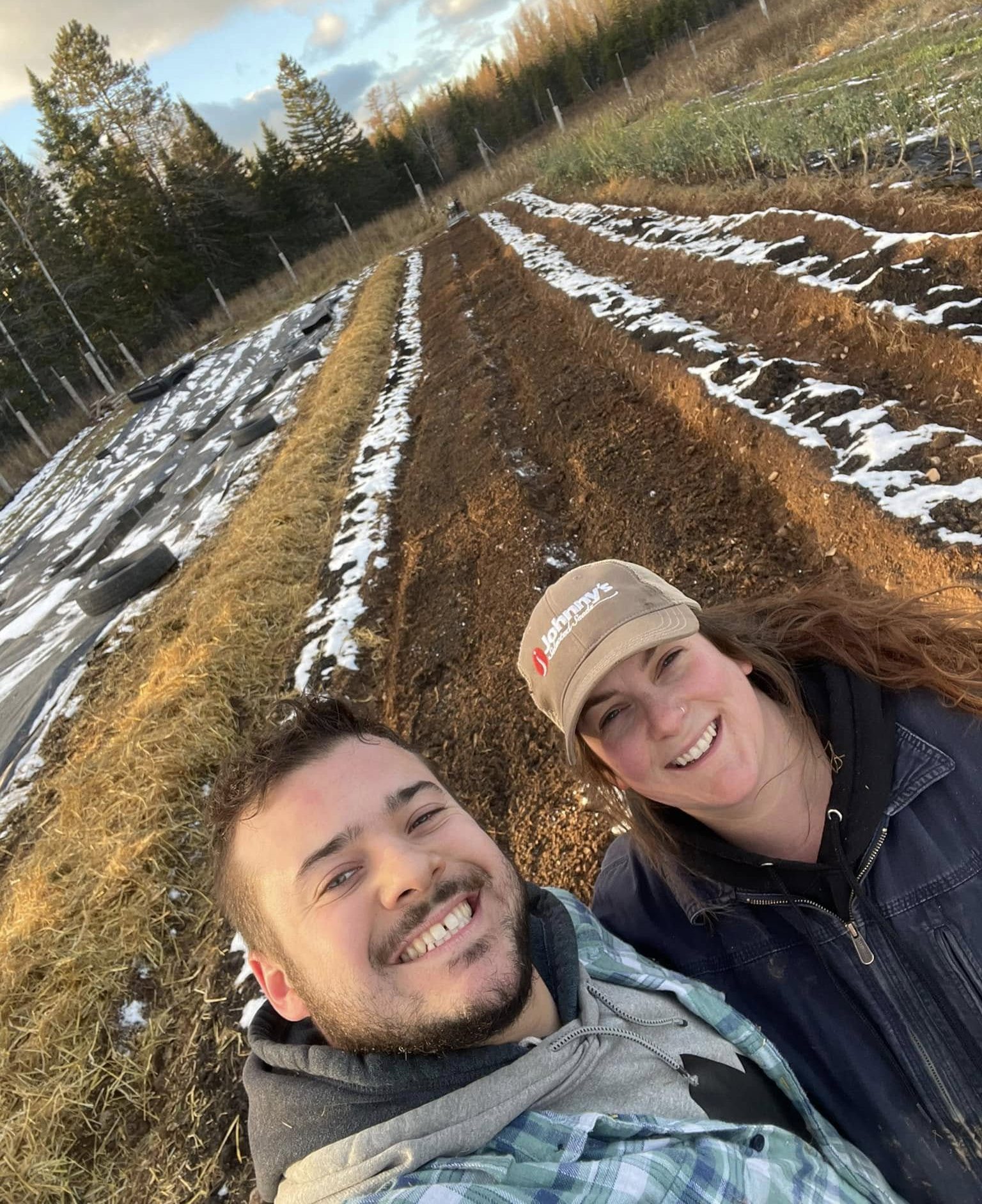
Our farm startup’s journey was unconventional to say the least. I was working in veterinary medicine and was experiencing compassion fatigue and burnout. Stephen worked in the hospitality industry during COVID. We lived in PEI and with the supply chain disruptions we noticed a huge food shortage on our grocery store shelves. This really opened our eyes to how fragile Canada’s food system is. We had both enjoyed gardening in the small apartments we lived in but had zero farming experience. I stumbled across some articles about making a living from small-scale farming, and it piqued my interest. We started looking at farmland in PEI but could not afford it. Stephen’s family was from New Brunswick and knew of a small farm for sale nearby. Things moved fast and before we could second-guess ourselves, we quit our jobs, bought the land and moved to New Brunswick within four months of the initial conversation. Looking back, it was a terrible idea on paper. But it ended up working out better than I could have ever imagined. We were lucky to be warmly welcomed by our community who were grateful that young people were taking up farming in our rural area. Accessing funding was one of our biggest challenges. We couldn’t access any traditional farm loans or lower-interest-rate loans. I sold my car, we lived without internet or cellphones for a year and did everything by hand at the beginning. For over a year, we ran the farm on the little cash we made, our small amount of savings, credit cards and sheer hope. Eventually we qualified for the Canadian Agricultural Loan Act (CALA) which greatly helped take our farming operation to the next level and helped us expand. In 2025, we actually crowd funded a dedicated well for our farm due to the increased drought from climate change. I initially did not want to ask our community for help, since I knew many people were financially struggling in today’s economy. But we were BLOWN away by our community’s support. Everyone was so kind and generous, and genuinely wanted our farm’s fundraiser to succeed. It was a really cool initiative. I think my younger self would be surprised to see how well our farm has done and how much we’ve grown in just four short years. I was also surprised by how engaged and supportive the community was to us and how many other farmers were eager to guide us on our new journey.
How did you learn how to farm?
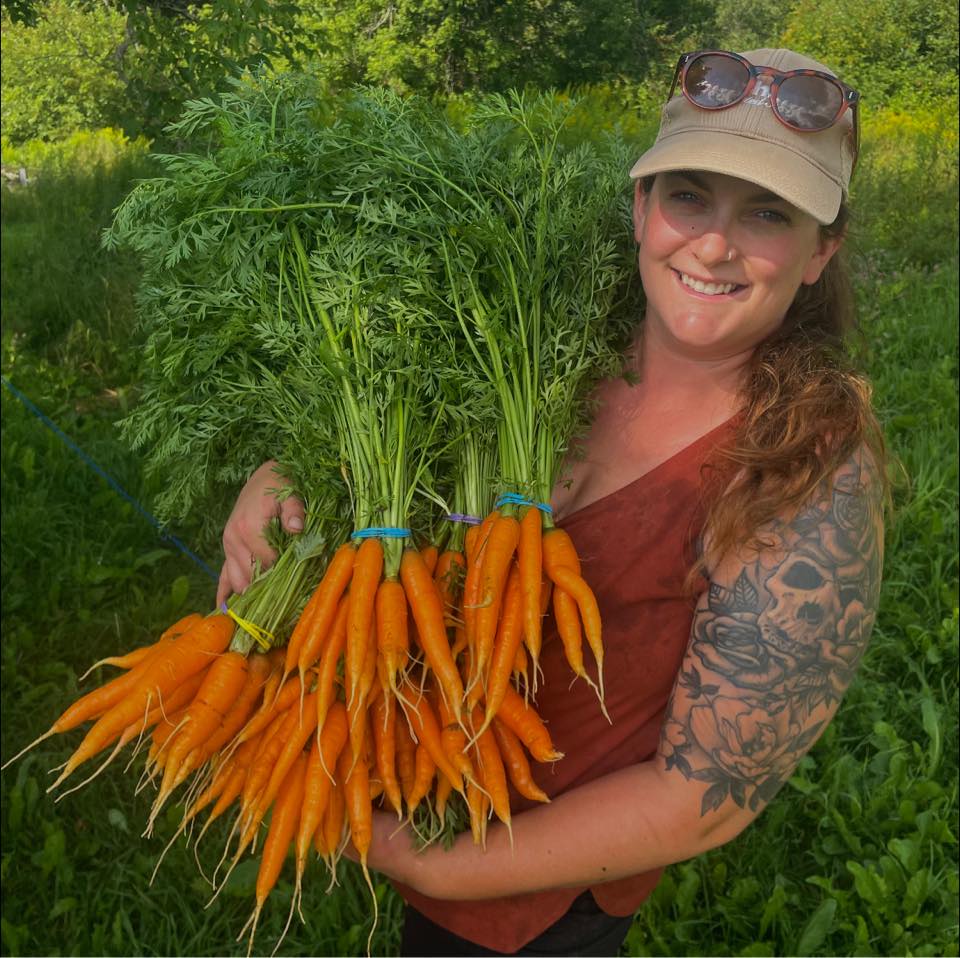
Everything we did was self-taught in the beginning. Google, YouTube, Facebook groups and books. We qualified for a grant to complete the Market Gardener Institute Masterclass which was a GAME CHANGER for our farm. That really took our productivity to the next level.
What types of ecological farm practices and/or responses to climate change realities do you engage in?
We farm using regenerative practices. We do not use any synthetic fertilizers, herbicides or insecticides. We use cover crops and rotationally graze our animals. We also plant designated beneficial pollinator spaces on our farm.
Why did you apply for business mentorship? What are your primary business goals for the season?
I was a first generation farmer with zero business experience. To me, growing vegetables was the easy part. But I was unfamiliar with the nitty-gritty business aspects. I was looking for a mentor to help guide me to become an actual profitable farm business where we could earn a livable wage from the farm. My biggest goal for this season was increase our revenue, better understand the ins and outs of our business, expand where we were profitable while cutting back on what wasn’t, expand our nursery operation and tackle winter growing in our climate.
What is the greatest challenge you face as a new farmer?
I think my biggest challenge is definitely accessing funding. Farming is unpredictable, you aren’t projected to make a profit until year 5-7 for most operations and there can be huge risks to expanding. Grants are a great help but often don’t cover a high enough percentage of the cost to be financially feasible for many new farmers.
What business tools or resources could you not live without?
I have lots! Market Gardener Institute Masterclass, Young Agrarians was a great help when I started our business, Farm Small Farm Smart podcast, Market Gardening Success Group on Facebook, Ecological Farming Association of Ontario, anything Elliot Coleman, Jesse Frost, The No-Till Organic Vegetable Farm by Daniel Mays, The Farmers Office by Julia Shanks, The National Farmers Union, Chelsea Green publishing also has a plethora of great books, Heirloom crop planning software. I would say one of the best tools/resources is also connecting directly with farmers in your area or online who share similar growing principles as you. That farmer to farmer knowledge is invaluable!
How can we find out more about you, your farm, and its products?
Follow along our crazy journey on Facebook, Instagram @homeacresfarms or on our website www.homeacresfarm.ca.