Alberta Business Business Mentorship Network Canada Farmer Profiles Livestock - Cattle Livestock - Pigs Peace Country Poultry - Broilers Poultry - Layers
Business Mentorship Network – Good Food Farm
Posted on March 27, 2026

 Filter by Popular Categories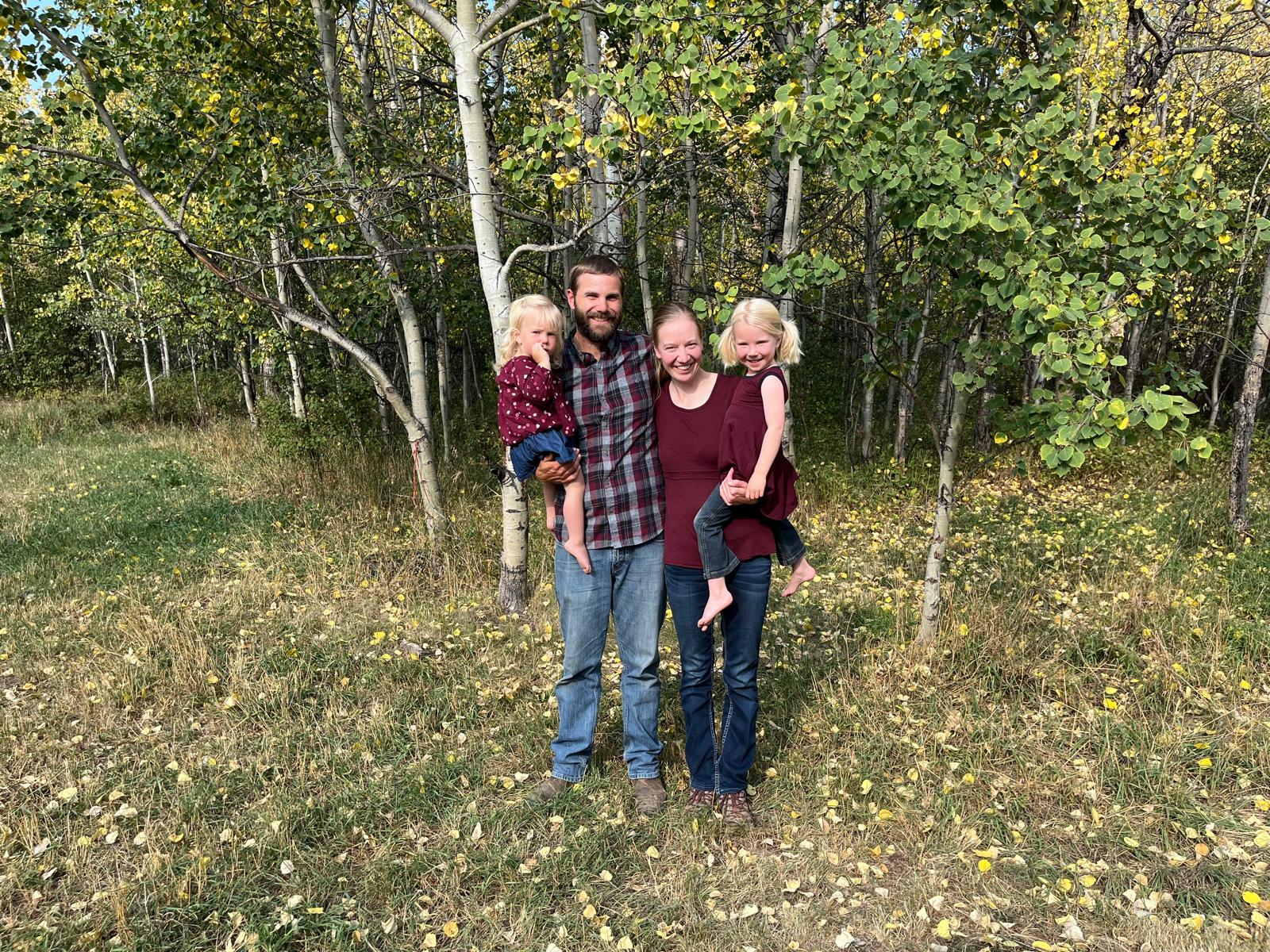
Posted on March 27, 2026
“At the core of our farm philosophy is a desire to better our land, the people whom our farm serves, and the community around it. One way we contribute towards this desire is by employing regenerative and organic farming principles.“
Young Agrarians is celebrating the twelfth year of the Business Mentorship Network (BMN) program in BC and the fourth year of the BMN in the Prairies! The BMN offers a year-long farm business mentorship to a diverse array of new and young farmers. Through one-on-one mentorship, peer networks, and online workshops, new farmers develop the skills necessary to operate ecologically sustainable and financially viable farm businesses.
Applications for mentees across Canada open in Fall 2026. Click below to be notified when applications open!
Mentor applications are accepted year-round. Check out the Business Mentorship Network page for more information!
Meet a mentee from the current cohort and learn about their farm and why they joined the Business Mentorship Network. Want more? Head over to our BMN Blog for more mentorship stories.
Hi there! We are Norwin, Ruth, Emily and Alexandra Willis. Together we operate Good Food Farm, a first generation farm located in Webster Alberta, treaty 8 territory. We are in our 8th year of production.
As part of our mentorship this year we are lucky to be receiving one on one mentoring from Bluesette Campbell of the B-C Ranch.
What type of business structure is your farm? (Sole proprietorship, partnership, or corporation)
Our Farm is set up as a Partnership.
How much land is under production on your farm and what do you produce?
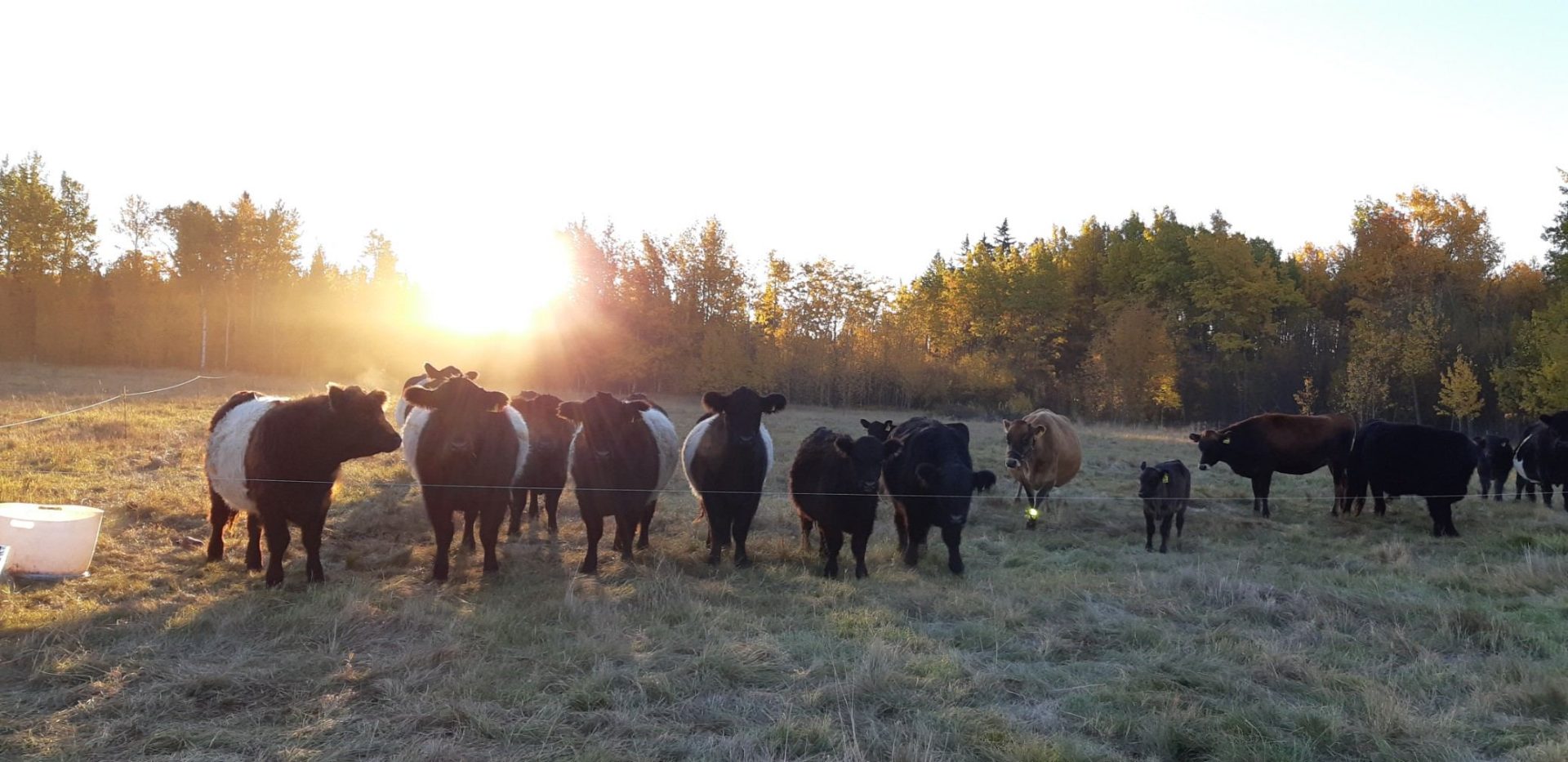
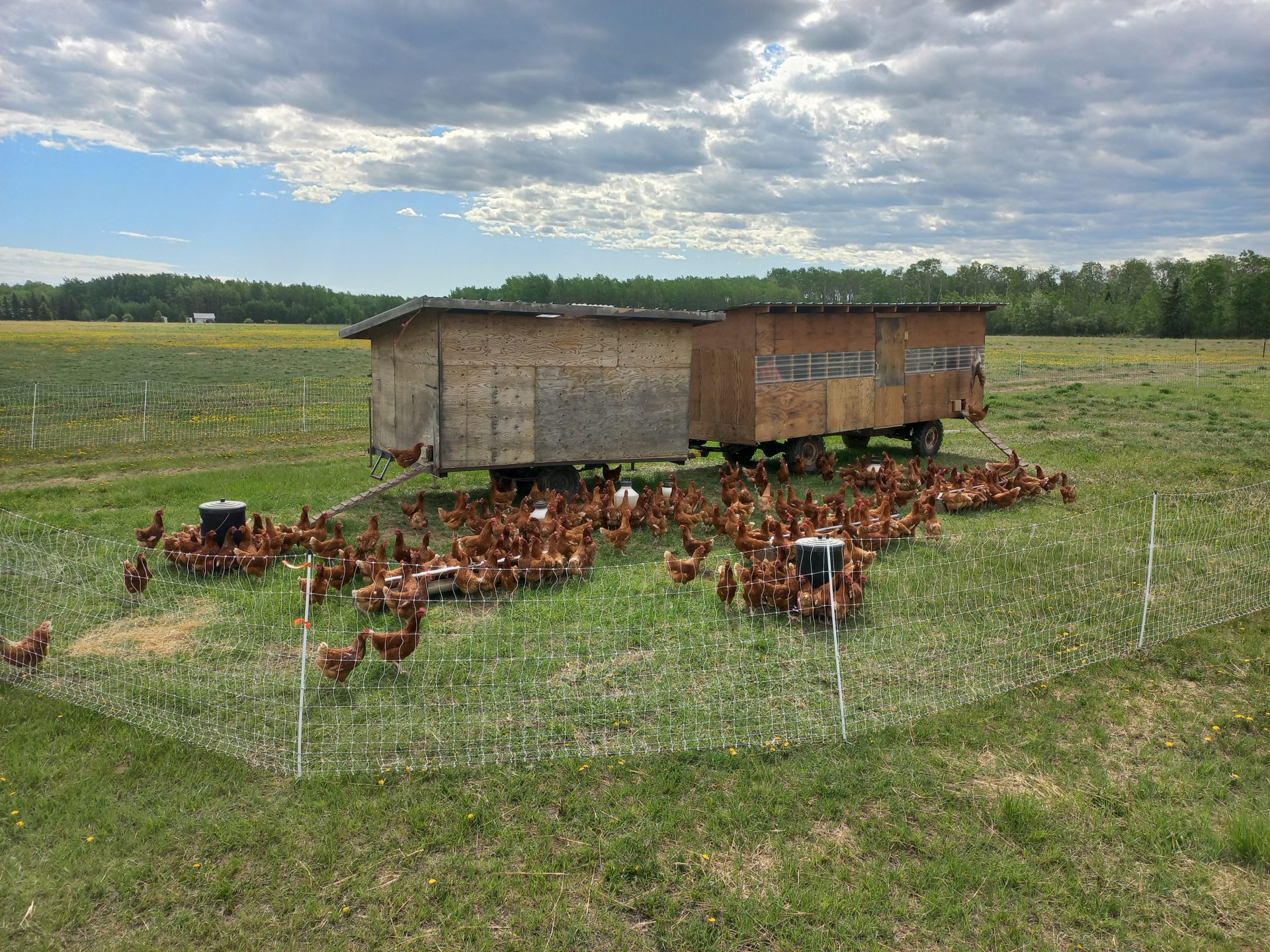
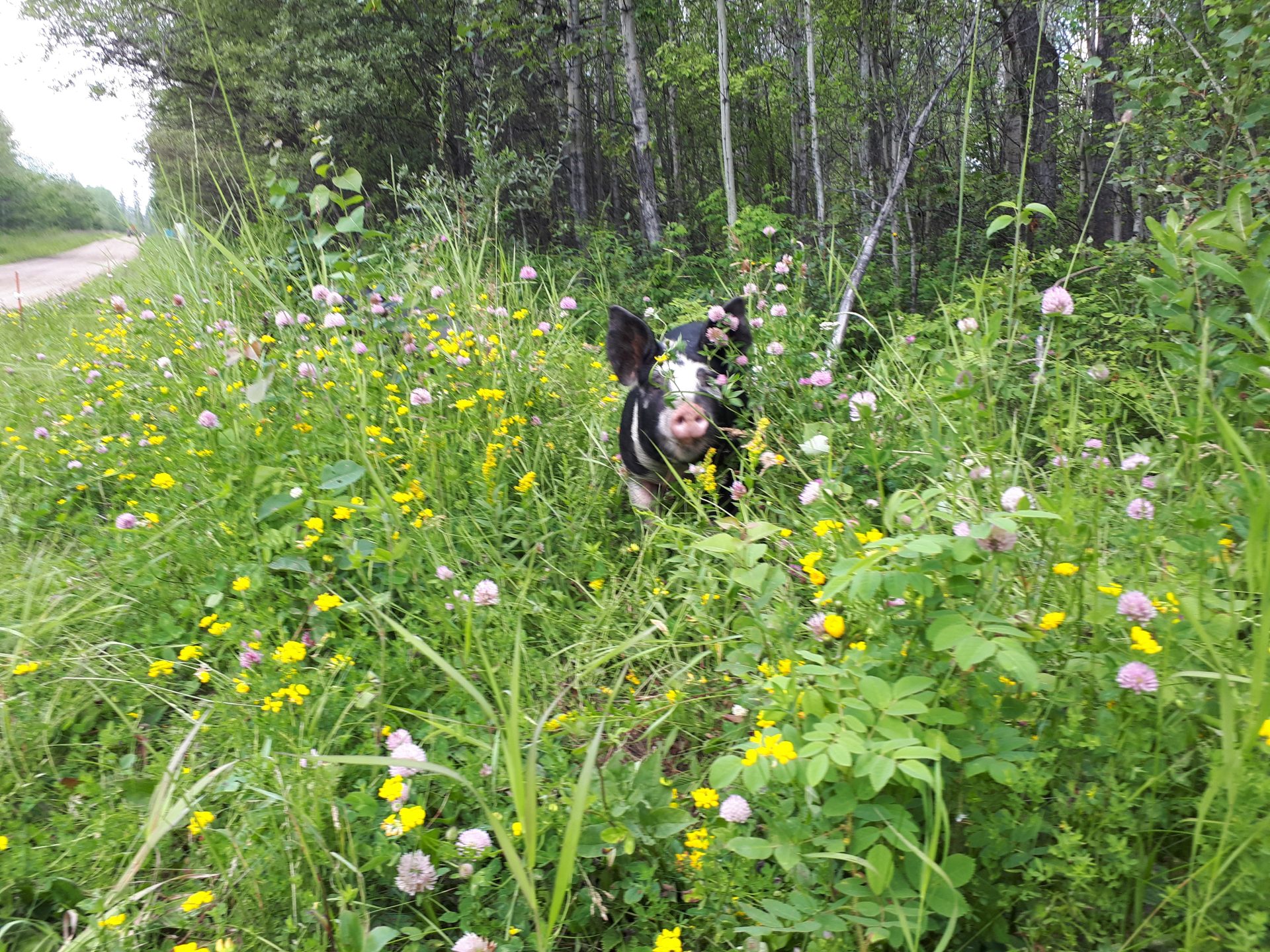
Currently we have about 400 acres in grass production, spread over 18 fields. On this land we make hay, graze cows, and pasture chickens, laying hens, turkeys and pigs, all for direct to consumer sales.
What kind of land agreement do you have? Are there special relationships that enabled this?
We have various rental agreements for our rented land ranging from “I just want the grass cut” to paying per round bale to paying per acre.
Did you access any financing to buy land or start your farm business?
Our home place is on the same property as Norwin’s parents and we have a rental agreement with them. This allowed us to have very low land costs while we were starting up. We recently purchased our own land, directly adjacent to Norwin’s parents. We took on a mortgage for this purchase, the cost of which is currently being covered by rental income from the house which was already on the property. Start up capital for our farm came from savings. After a couple of years the farm became financially self-sufficient but was not yet able to pay us a salary for our personal expenses so Norwin continued working off farm until two years ago, when we made the leap to farming full time.
What inspired you to get into farming? Would your younger self be surprised by where you are now?
Since childhood both of us were interested in animals and agriculture and we frequently volunteered on farms. When we were dating Ruth came across the book “You Can Farm” by Joel Salatin. We both read it and were inspired to try making a living off a small diversified livestock farm.
How did you learn how to farm?
We learned a lot by doing; volunteering and working on different farms. We also read lots of books and both had mentors who taught us a lot, and whom we love dearly.
What types of ecological farm practices and/or responses to climate change realities do you engage in?
At the core of our farm philosophy is a desire to better our land, the people whom our farm serves, and the community around it. One way we contribute towards this desire is by employing regenerative and organic farming principles.
Why did you apply for business mentorship? What are your primary business goals for the season?
We applied for the mentorship because we are constantly trying to get better at what we do and how we do it. Specifically, the business side of running a farm can be a bit of a challenge for us sometimes since we prefer growing things to being business people.
What is the greatest challenge you face as a new farmer?
There are many! I could talk about land prices or access to land, high start-up costs (money and/or time), steep learning curves and needing to gain knowledge in so many different areas, restrictive government regulations, consumer education around quality food, balancing the need to work hard with family and community time. The list goes on.
What business tools or resources (blogs, podcasts, software, books…) could you not live without?
While we could certainly figure out a way to live without it, we do really like using Numbers (the Mac version of Excel) for all our record keeping and analyzing. Ruth keeps a spreadsheet for pretty much anything and everything related to the farm.
How can we find out more about you, your farm, and its products? (website, FB, insta, twitter handles)
More about us can be found at goodfoodfarm.ca or @GoodFoodFarmAB on facebook.