
Business Business Mentorship Network Canada Farmer Profiles Manitoba Poultry - Broilers Poultry - Layers Vegetable
Business Mentorship Network – Boreal Ranch
Posted on March 18, 2026

 Filter by Popular Categories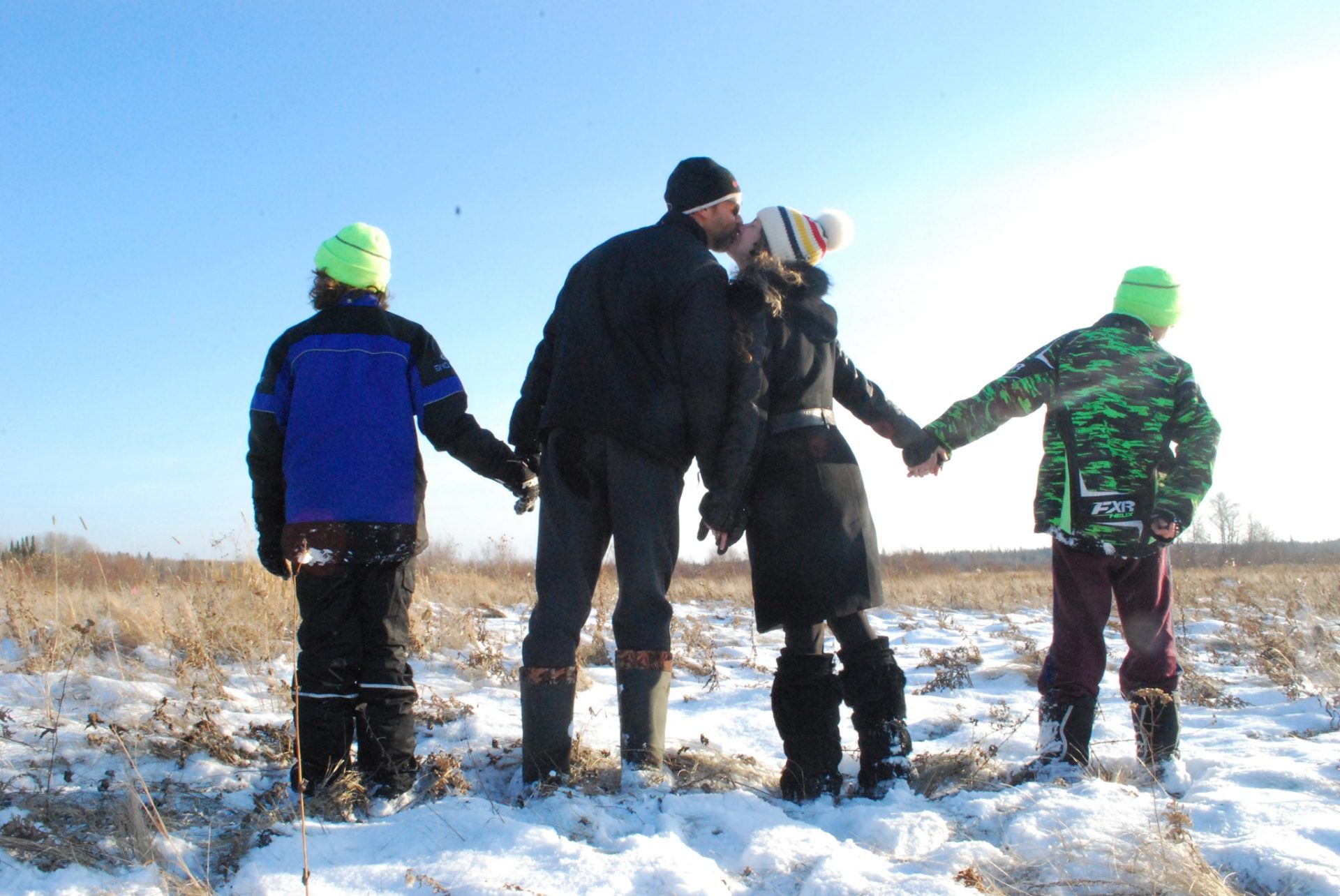
Posted on March 18, 2026
“Looking back on my younger self – my head would never have thought I would be trading heels and suits for rain boots and overalls, but my heart would be in exact alignment with where we are now.”
Young Agrarians is celebrating the twelfth year of the Business Mentorship Network (BMN) program in BC and the fourth year of the BMN in the Prairies! The BMN offers a year-long farm business mentorship to a diverse array of new and young farmers. Through one-on-one mentorship, peer networks, and online workshops, new farmers develop the skills necessary to operate ecologically sustainable and financially viable farm businesses.
Applications for mentees across Canada open in Fall 2026. Click below to be notified when applications open!
Mentor applications are accepted year-round. Check out the Business Mentorship Network page for more information!
Meet a mentee from the current cohort and learn about their farm and why they joined the Business Mentorship Network. Want more? Head over to our BMN Blog for more mentorship stories.
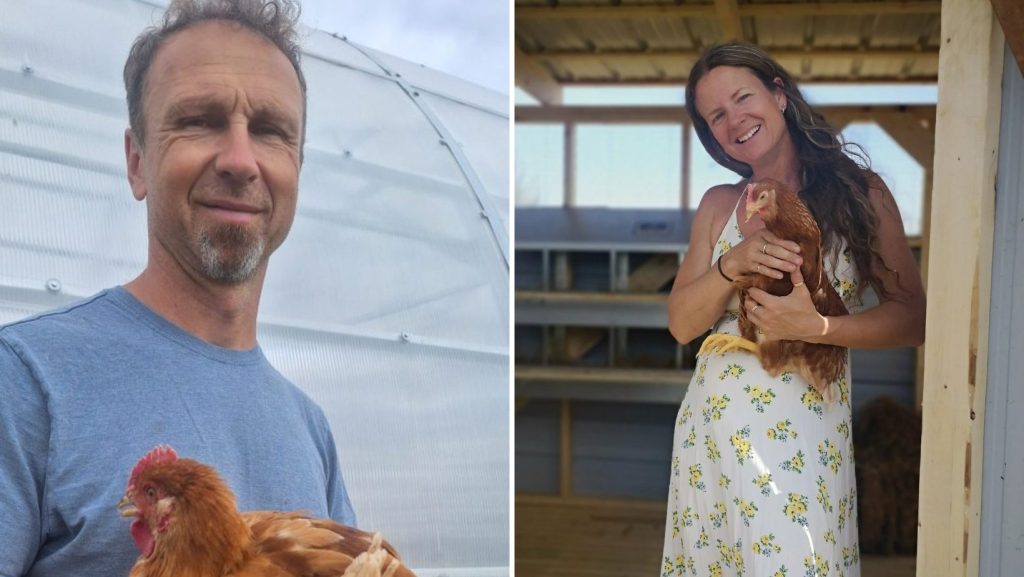
My name is Megan Schwabiuk (she/her), and I operate Boreal Ranch with my partner, Robert Jounot. Our mentees are Katie and Colin McInnes, from The Dogs Run Farm.
Boreal Ranch is located near Lac du Bonnet, Manitoba, in Treaty 1 territory and within the traditional lands of the Anishinaabe, Cree, Oji-Cree, Dakota, and Dene peoples, and the homeland of the Red River Métis.
What inspired you to get into farming? Would your younger self be surprised by where you are now?
The inspiration to farm came from a deep interest in food quality, health and wellness, and the desire to reconnect with how food is produced. Over time, that interest grew into a commitment to producing nutrient-dense food for our community while creating a lifestyle centered around land stewardship and health and wellness. Looking back on my younger self – my head would never have thought I would be trading heels and suits for rain boots and overalls, but my heart would be in exact alignment with where we are now.
How did you learn how to farm?
Most of what I know about farming has been learned through hands-on experience, experimentation, and continuous learning. Books, online resources, and the knowledge shared by other farmers have been incredibly important. Farming is very much an ongoing education, and each season brings new lessons.
Tell us about the structure of your farm. What kind of land agreement do you have? Did you access any financing to buy land or start your farm business?
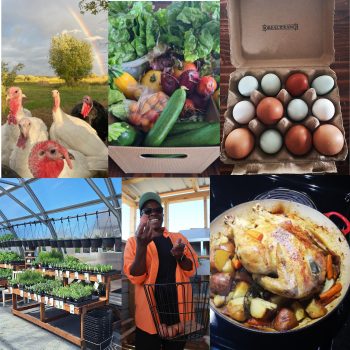
We operate on a small diversified acreage where we raise pasture-raised poultry and laying hens, grow vegetables through a market garden, and run a retail greenhouse focused on herbs, plants, and botanical products. We also host small on-farm events and experiences that connect our community to food, agriculture, and the land. Total land farmed is around 6 acres. The farm currently operates as a sole proprietorship, and the 120 acres of land is privately owned. We left our corporate jobs behind and jumped right into farming. We are building the farm using a combination of personal savings and reinvestment from farm sales, as well as funds from investors.
What types of ecological farm practices and/or responses to climate change realities do you engage in?
Our farm focuses on regenerative and ecological practices. We raise poultry on pasture to build soil fertility, rotate animals through fields to distribute nutrients naturally, and focus on diversified production to build resilience. Growing a variety of crops and enterprises helps buffer the farm against weather variability and market changes, which is becoming increasingly important as climate patterns shift.
Why did you apply for business mentorship? What are your primary business goals for the season?
I applied for business mentorship because I want to strengthen the business structure of the farm while continuing to grow responsibly. My primary goals for the season are to expand into a variety of enterprises, improve operational systems, and continue developing a diversified farm model that can sustainably support multiple small enterprises and support our agritourism visions.
What is the greatest challenge you face as a new farmer?
One of the greatest challenges as a new farmer is balancing the demands of production, marketing, and business management. Farming requires many different skill sets, and learning how to manage time, finances, and growth while maintaining ecological integrity can be complex.
What are some resources and business tools that have been helpful on your farming journey?
Books and ideas from regenerative agriculture leaders have been influential, along with practical tools for planning and financial tracking. Anything written by Joel Salatin, JM Fortier and Richard Perkins have been our go tos. Social media has also become an important tool for connecting directly with customers and building a community around the farm. Although I was hesitant to use this at first, I know now that it is a must.
How can we find out more about you, your farm, and its products?
People can learn more about Boreal Ranch through our social media channels, particularly Facebook https://www.facebook.com/boreal.ranch and Instagram https://www.instagram.com/borealranch/?hl=en, where we regularly share updates about farm life, products, and events. Or our website and newsletter – www.borealranch.ca. These platforms are also where customers can find information about egg subscriptions, vegetable boxes, greenhouse offerings, and farm experiences.